If you have been to Japan, you may have noticed a BBQ restaurant with a sign saying ホルモン焼き. ホルモン? The…
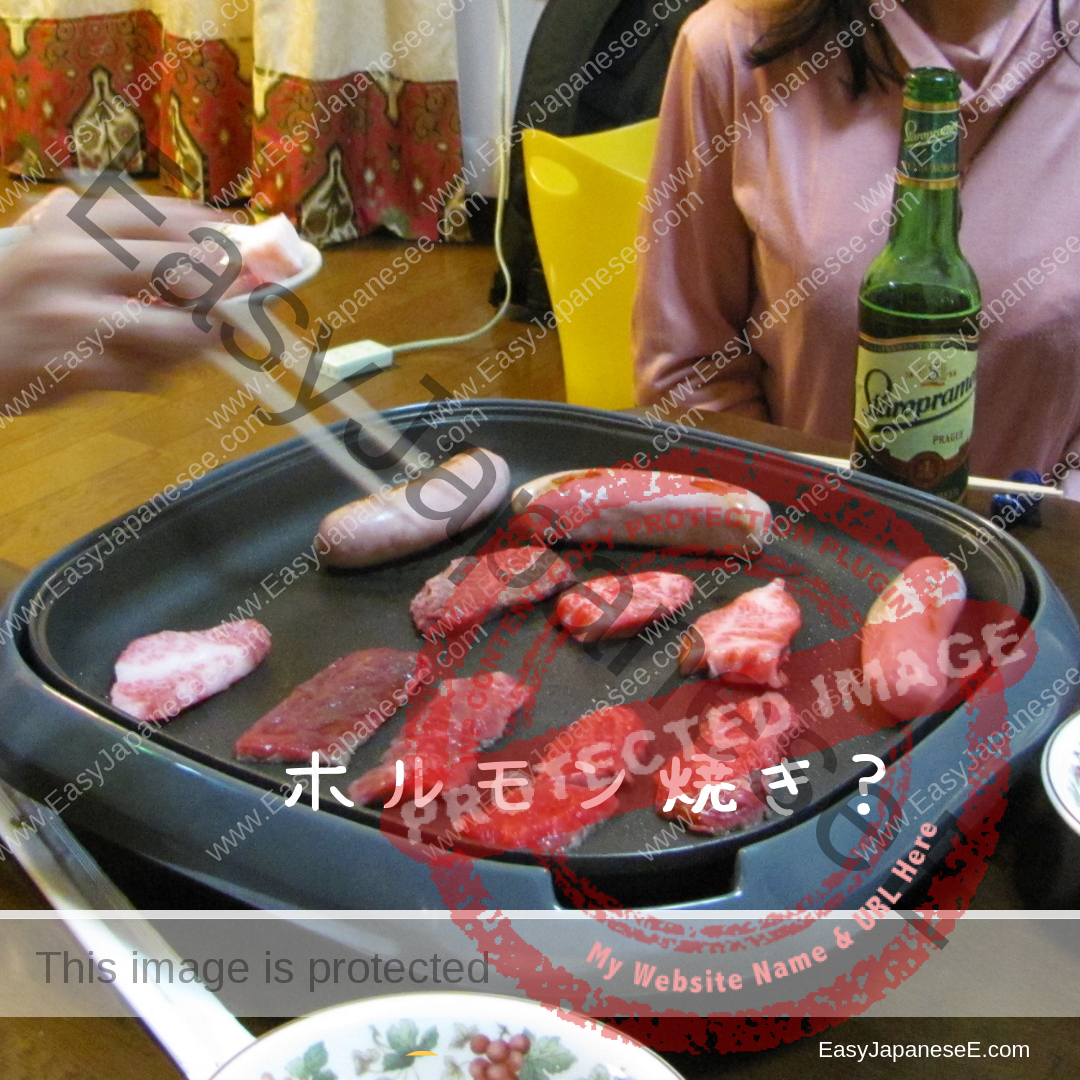
If you have been to Japan, you may have noticed a BBQ restaurant with a sign saying ホルモン焼き. ホルモン? The…
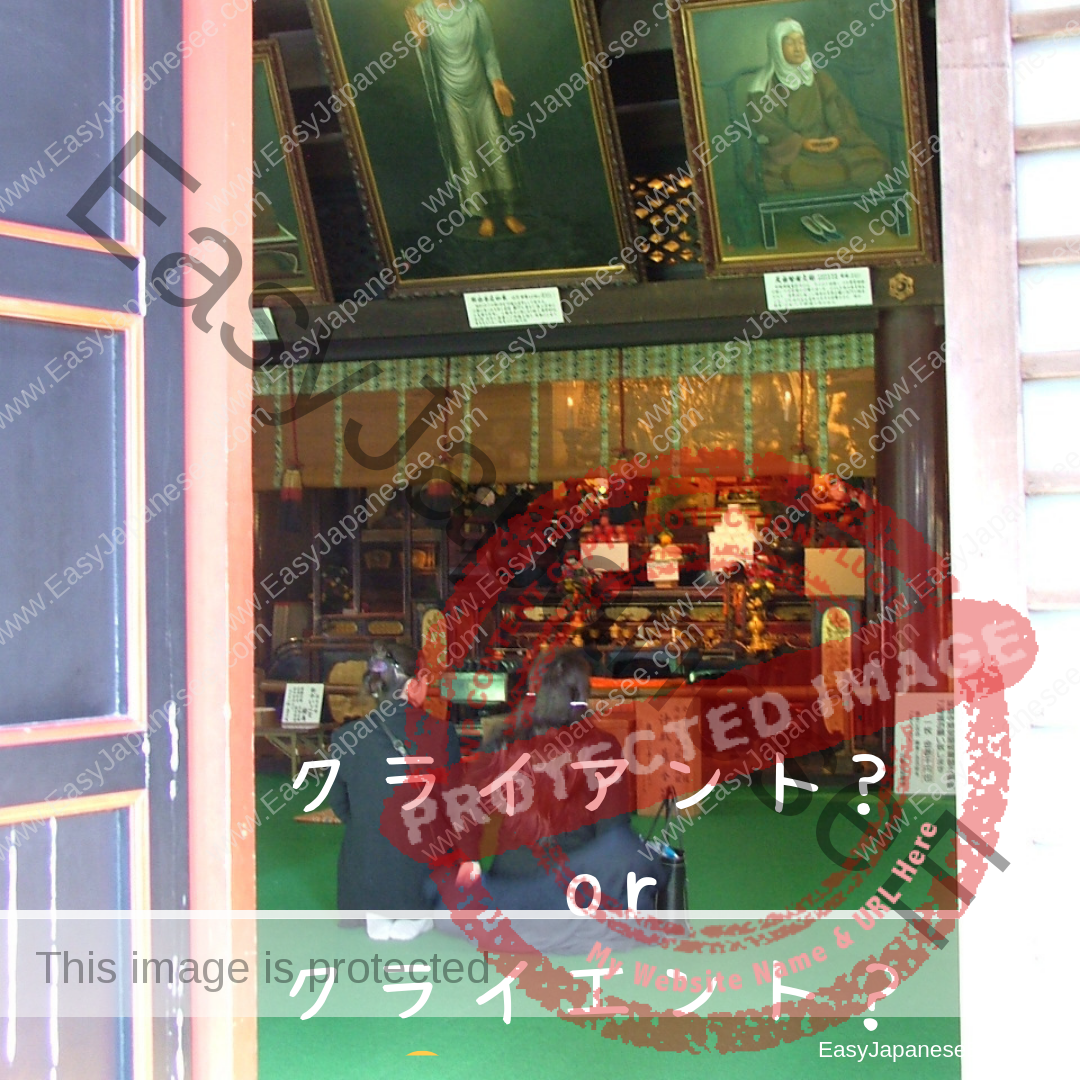
On Tuesdays I usually talk about katakana words that are used differently from their origin but today, I’m going to…
ポット is the transliteration of the English word “pot,” so can you spot a ポット in the photo? If you…
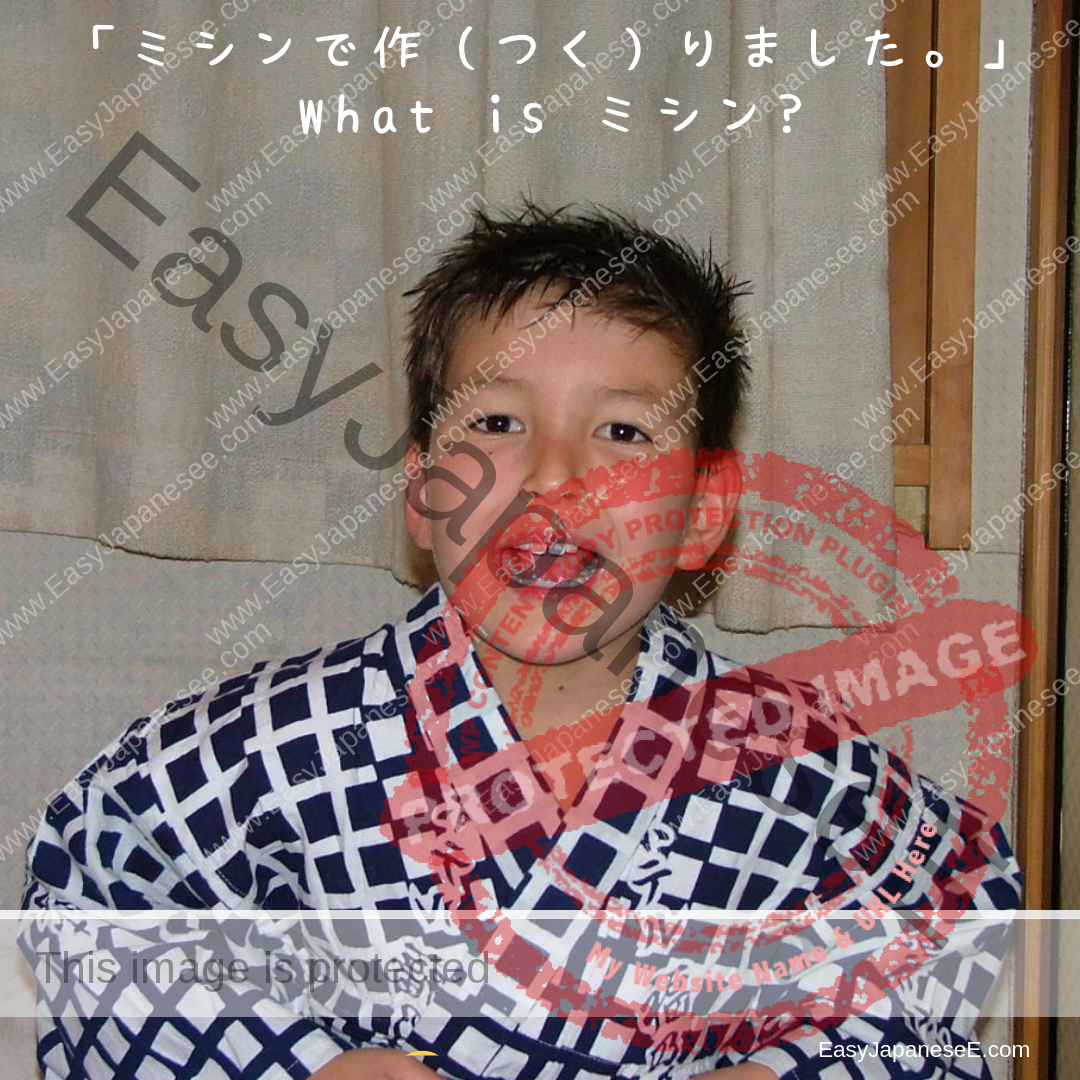
When I was young, I used ミシン a lot. I was aware that it was written in Katakana but I…
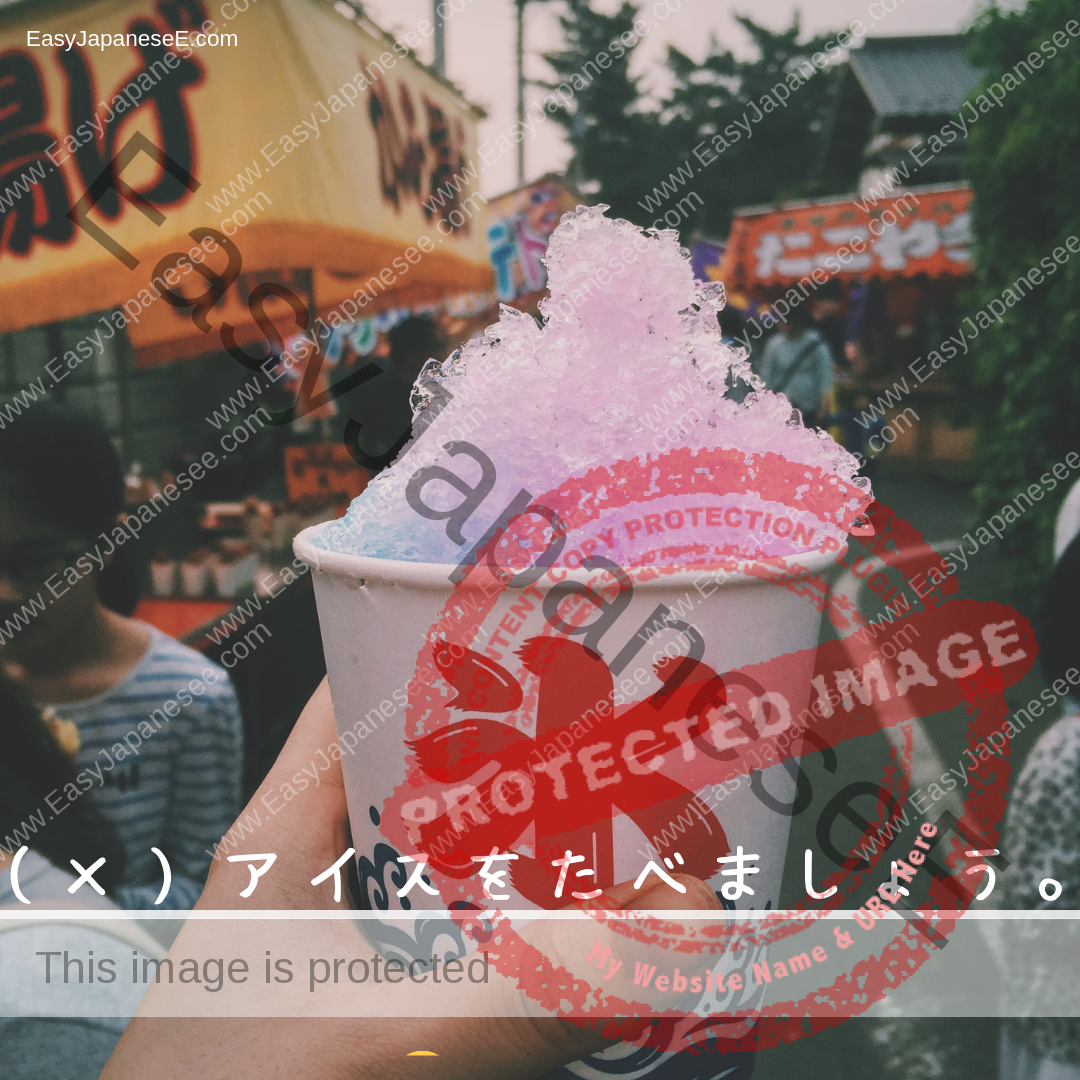
The picture is of a cup of “shaved ice” but the caption says “アイスをたべましょう (aisu wo tabemashou)” is not right.…
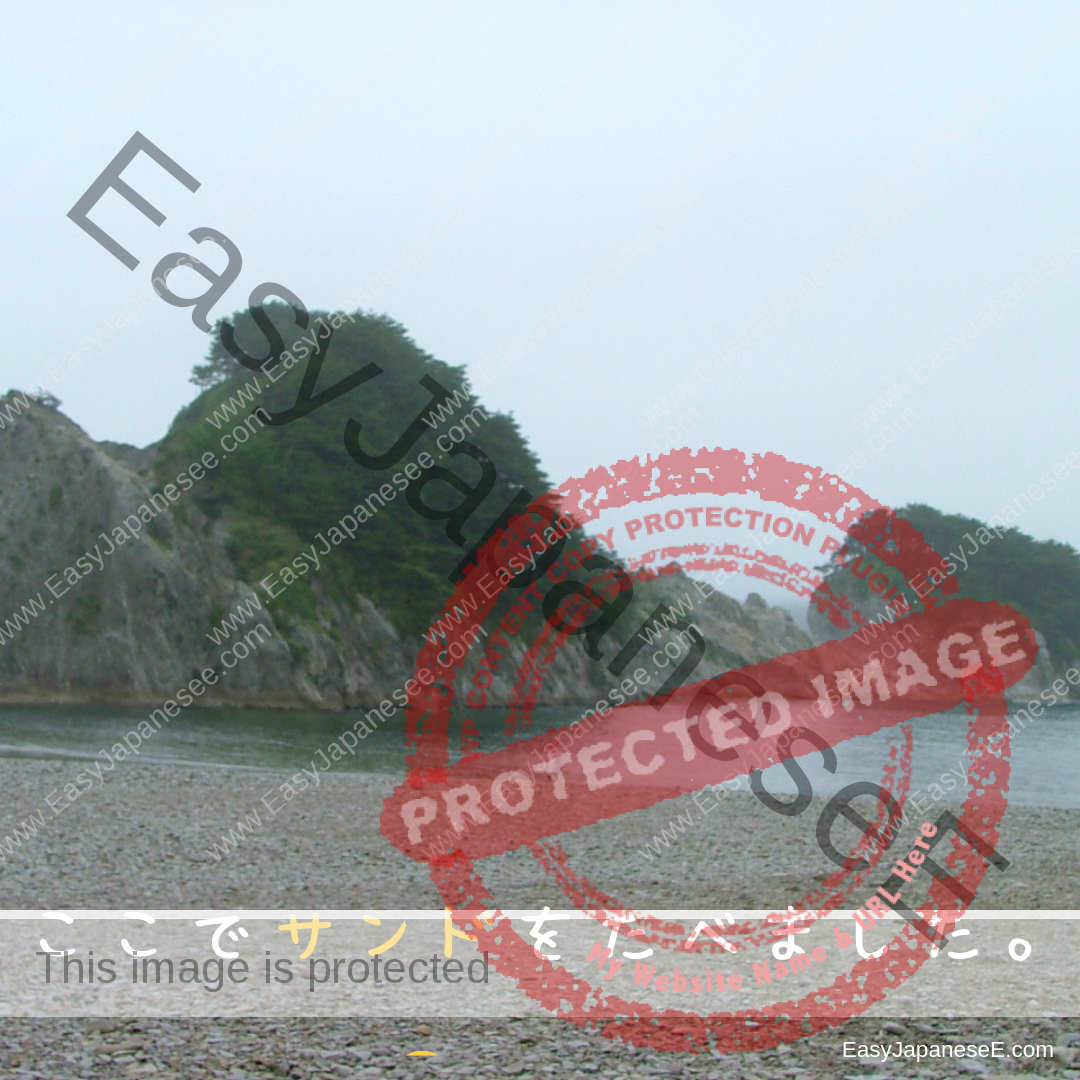
When you saw the picture, did you think I ate “sand” there? Sand there was very nice, but it was…
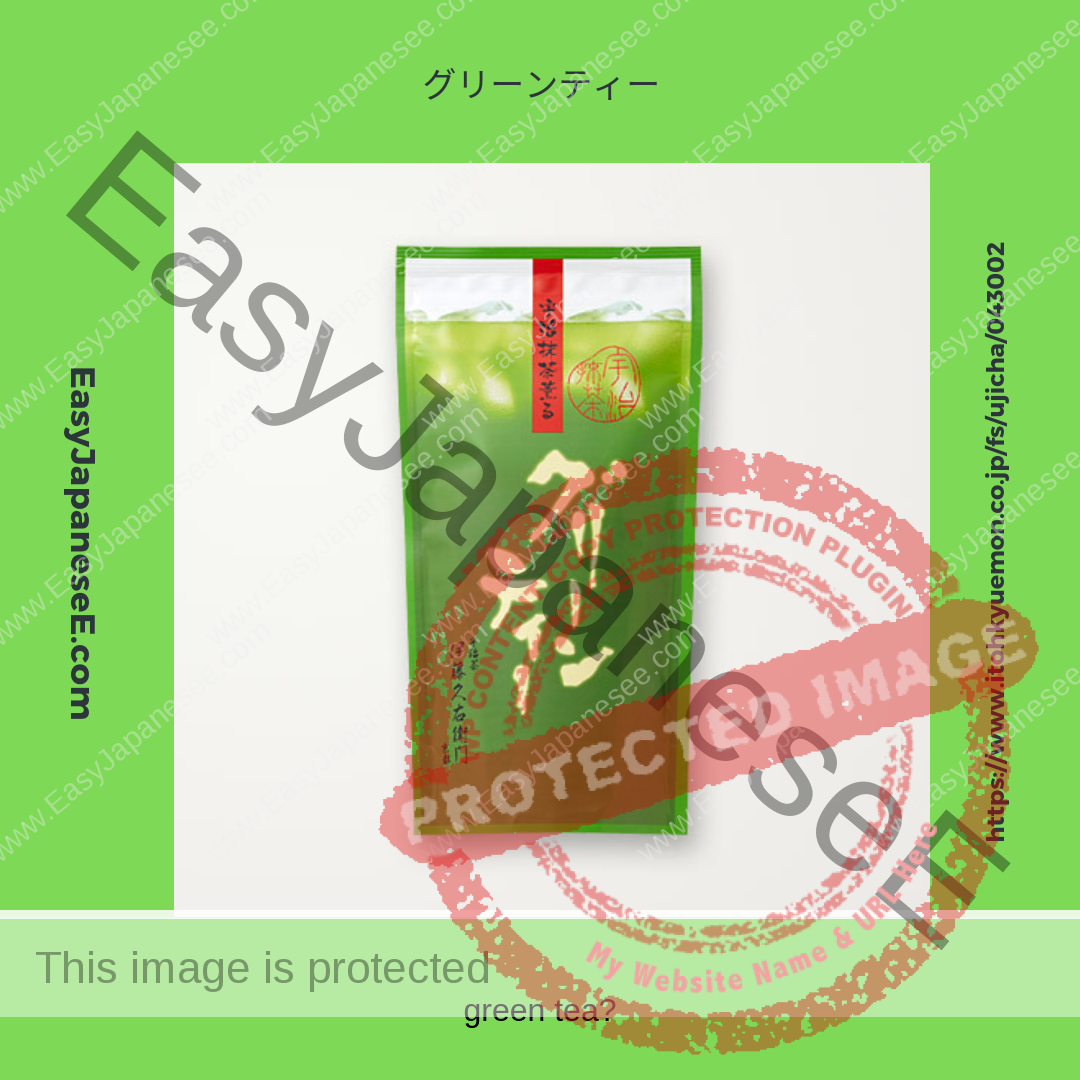
Tea in Japanese is お茶(ちゃ)(ocha) and if you ask for お茶 in Japan, you will probably get a cup of…
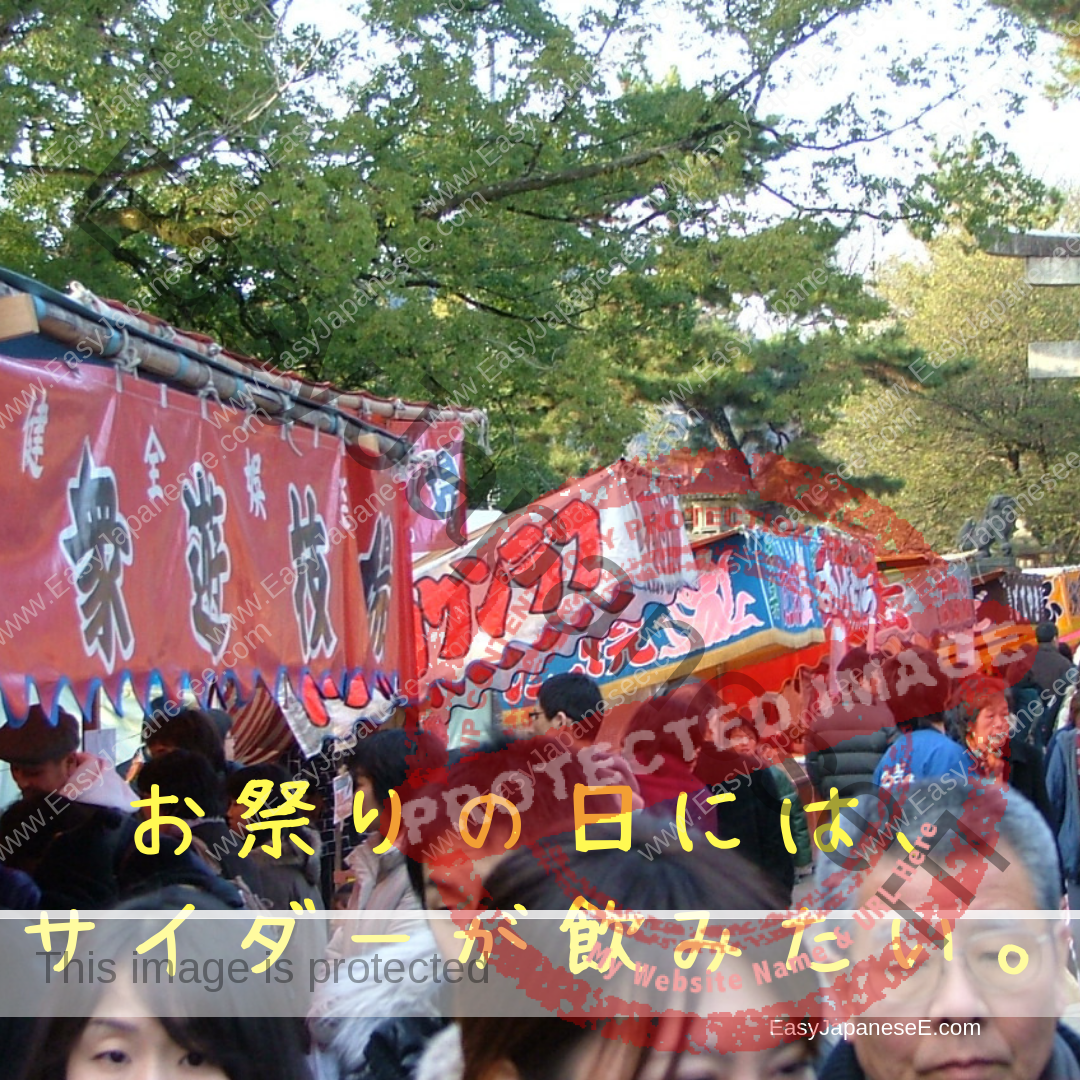
The caption in the photo says: お祭(まつ)りの日(ひ)にはサイダーが飲(の)みたい。 omatsuri no hi ni wa saida- ga nomitai. I want to drink サイダー…

マッシュルーム is the transliteration of the English word “mushroom.” Some people might be saying “so what?” In Japanese, マッシュルーム refers…
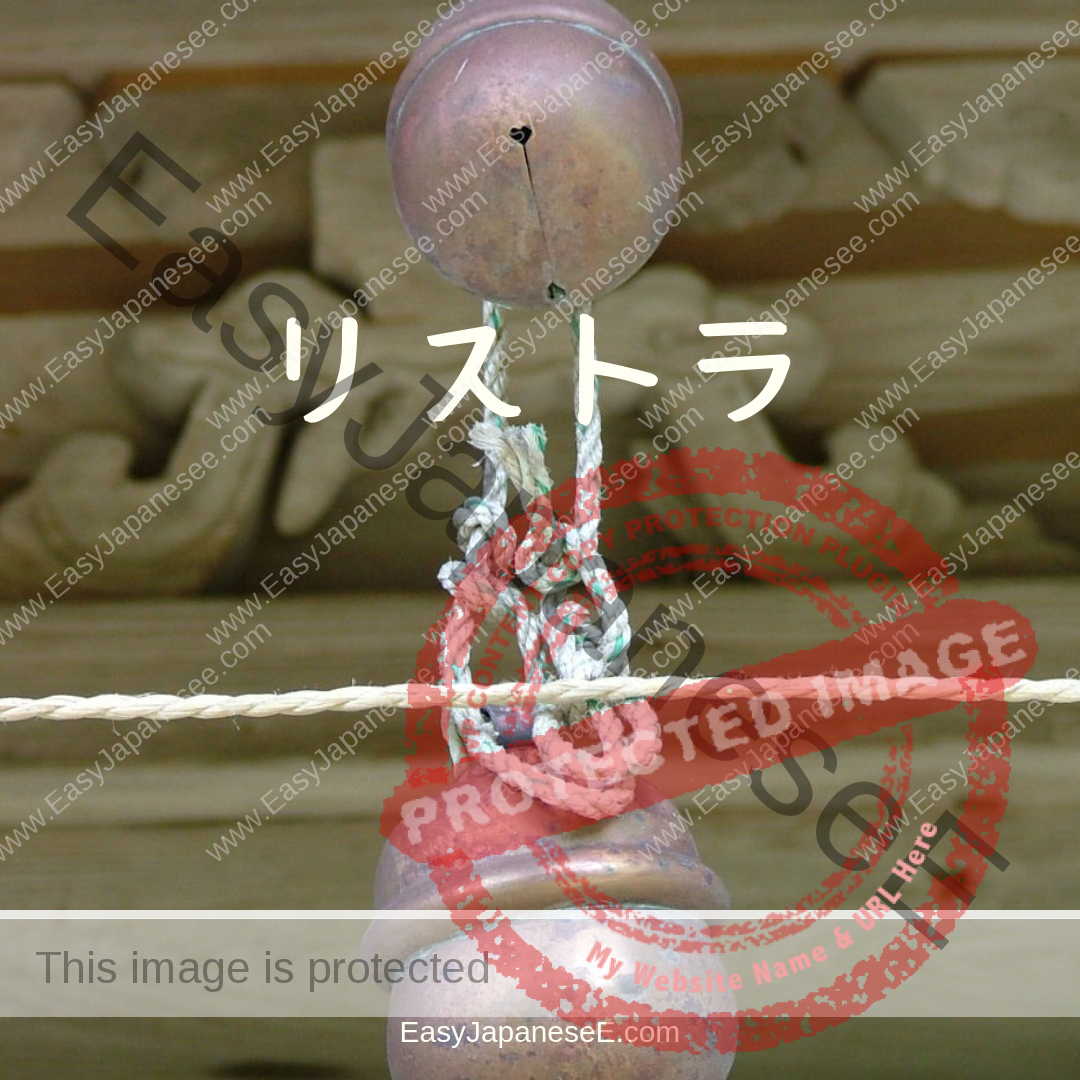
リストラ is not the Japanese word for bells. リストラ is a relatively new word in Japanese. It comes from the…
Last week I talked about アルバイト and this week I’m going to talk about パート in the similar context. …
アルバイト アルバイト comes from the German word "arbeit" which means "work" in English. When the Japanese say アルバイト, that usually…
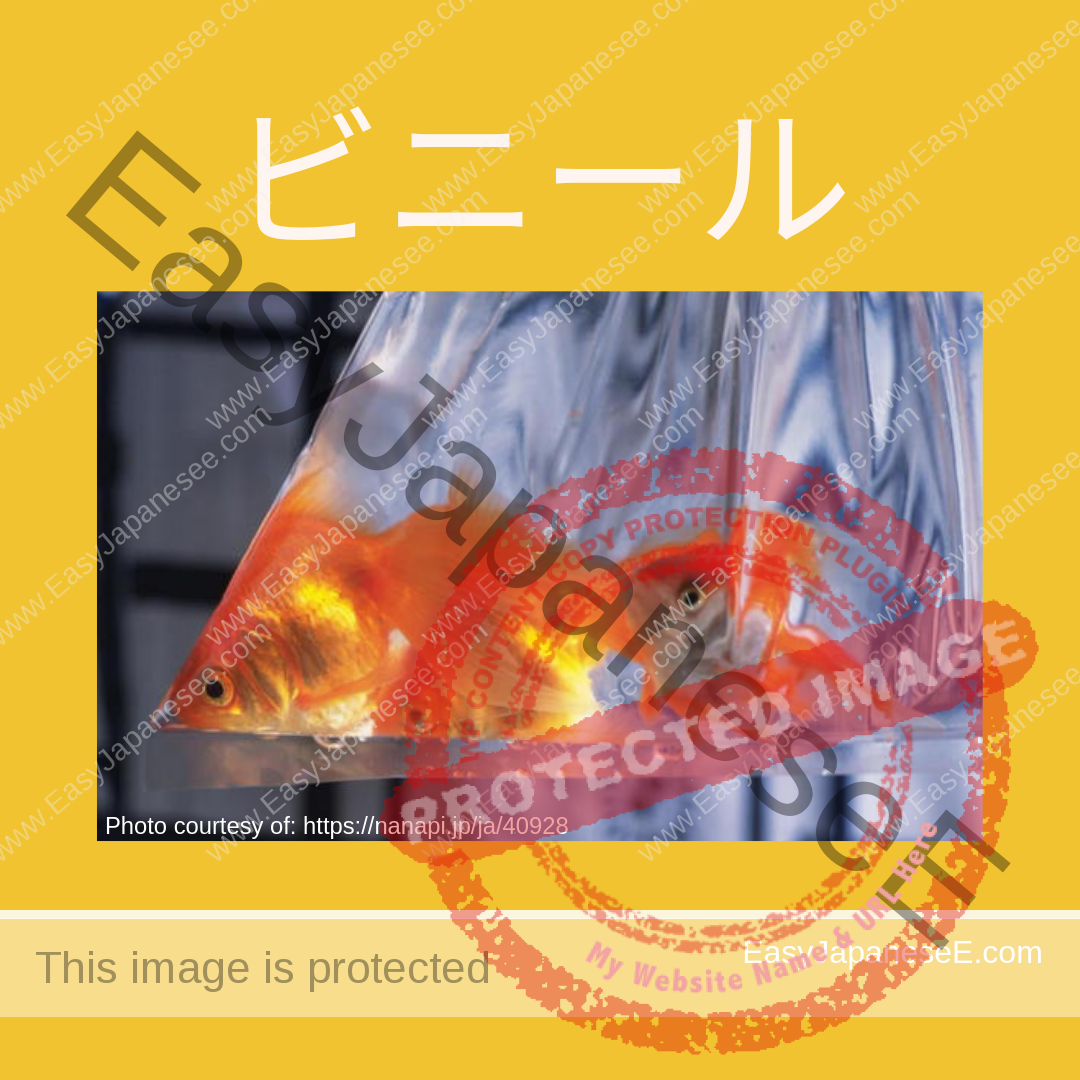
ビニール ビニール is the transliteration of the English word “vinyl” but what it means is not the same as “vinyl”.…

レッスン is the transliteration of “lesson” in English, but the meaning is much narrower than “lesson” in English. This post explains how.
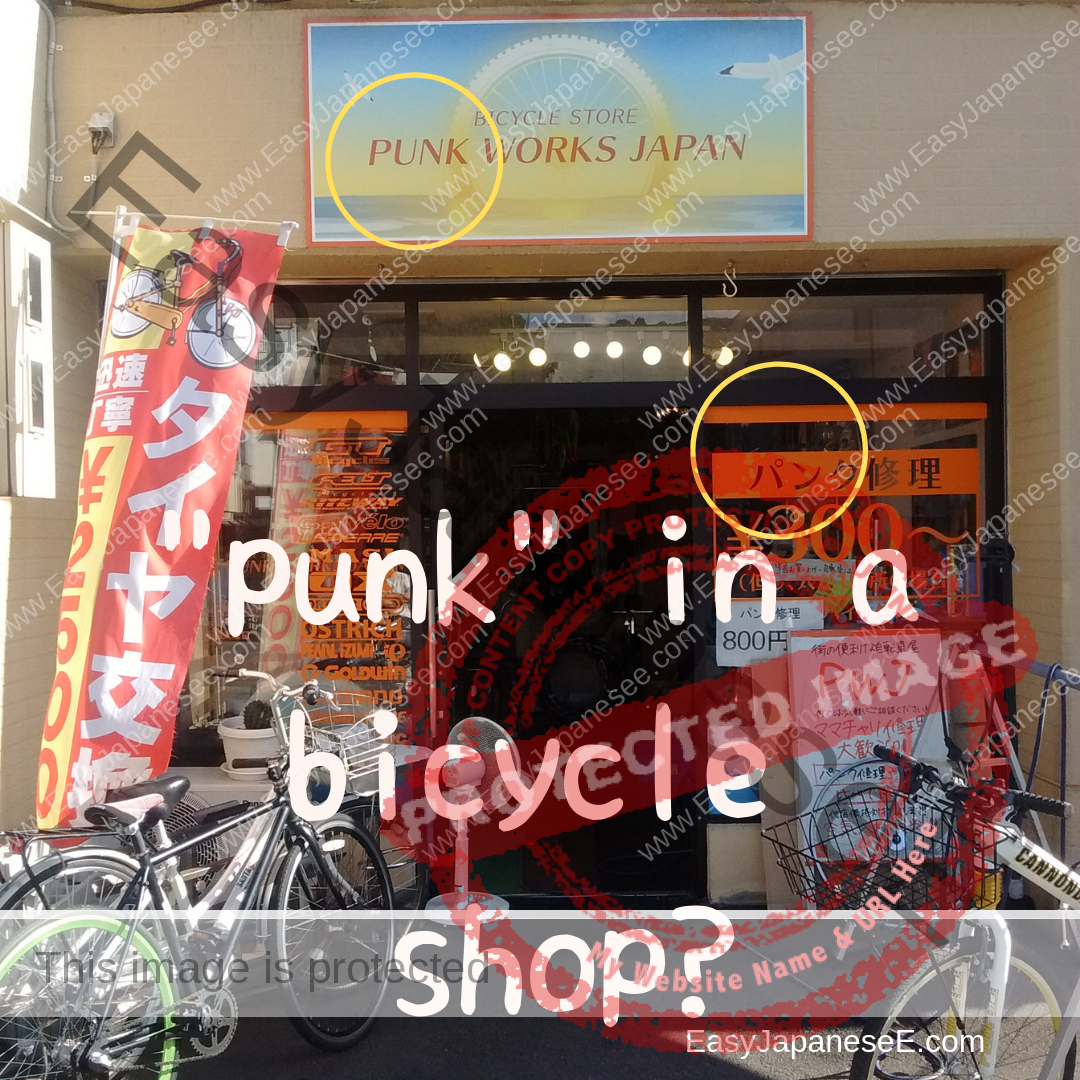
パンク My non-Japanese speaking husband was almost ecstatic when he took this photo. “Punk” in a bicycle shop?? パンク in…
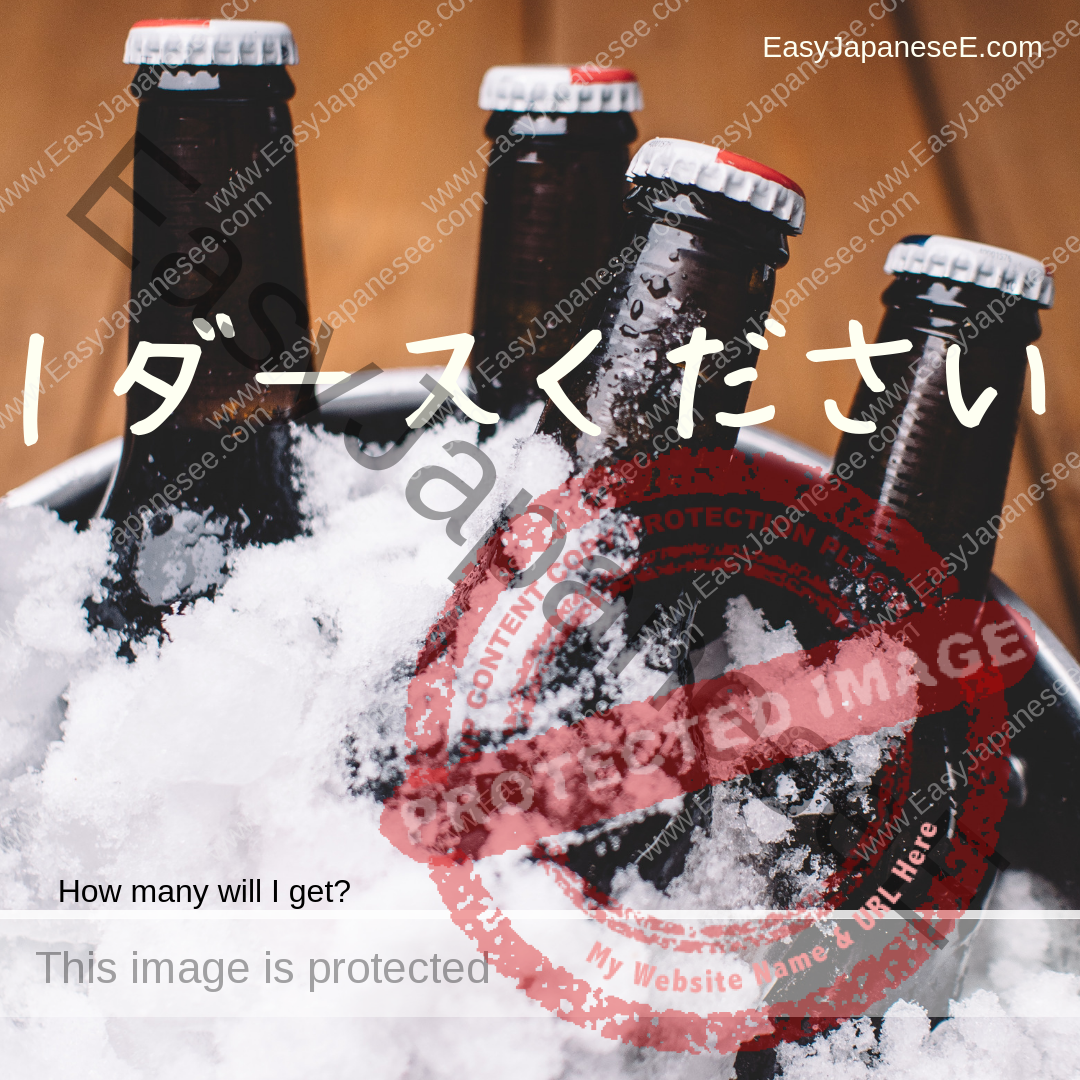
If I say ビール1ダースください, how many bottles of beer would I get? The answer is twelve. If I ask…
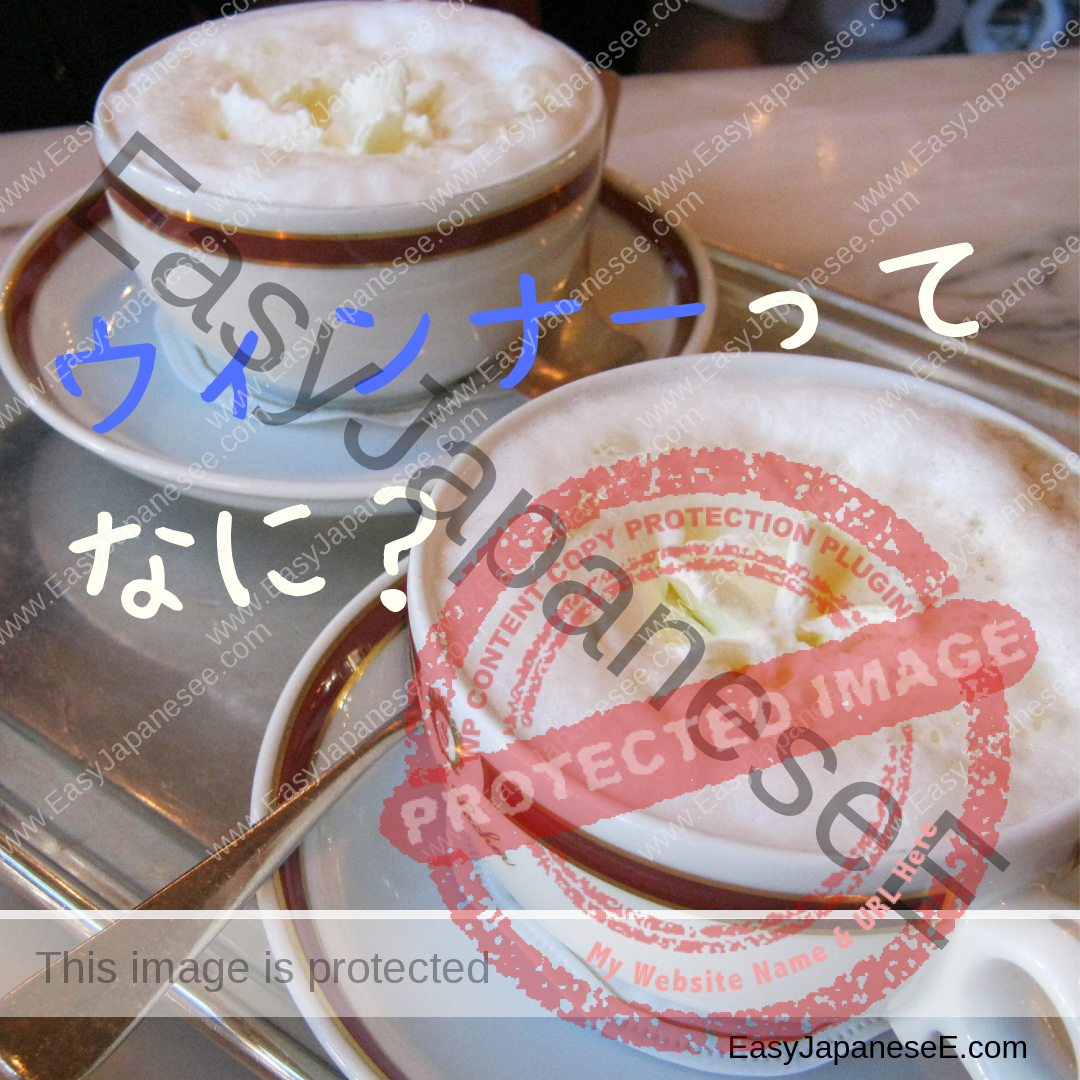
Do you know what ウィンナー is? Is it a “winner”? No, you can buy ウィンナー in a butcher. Yes,…
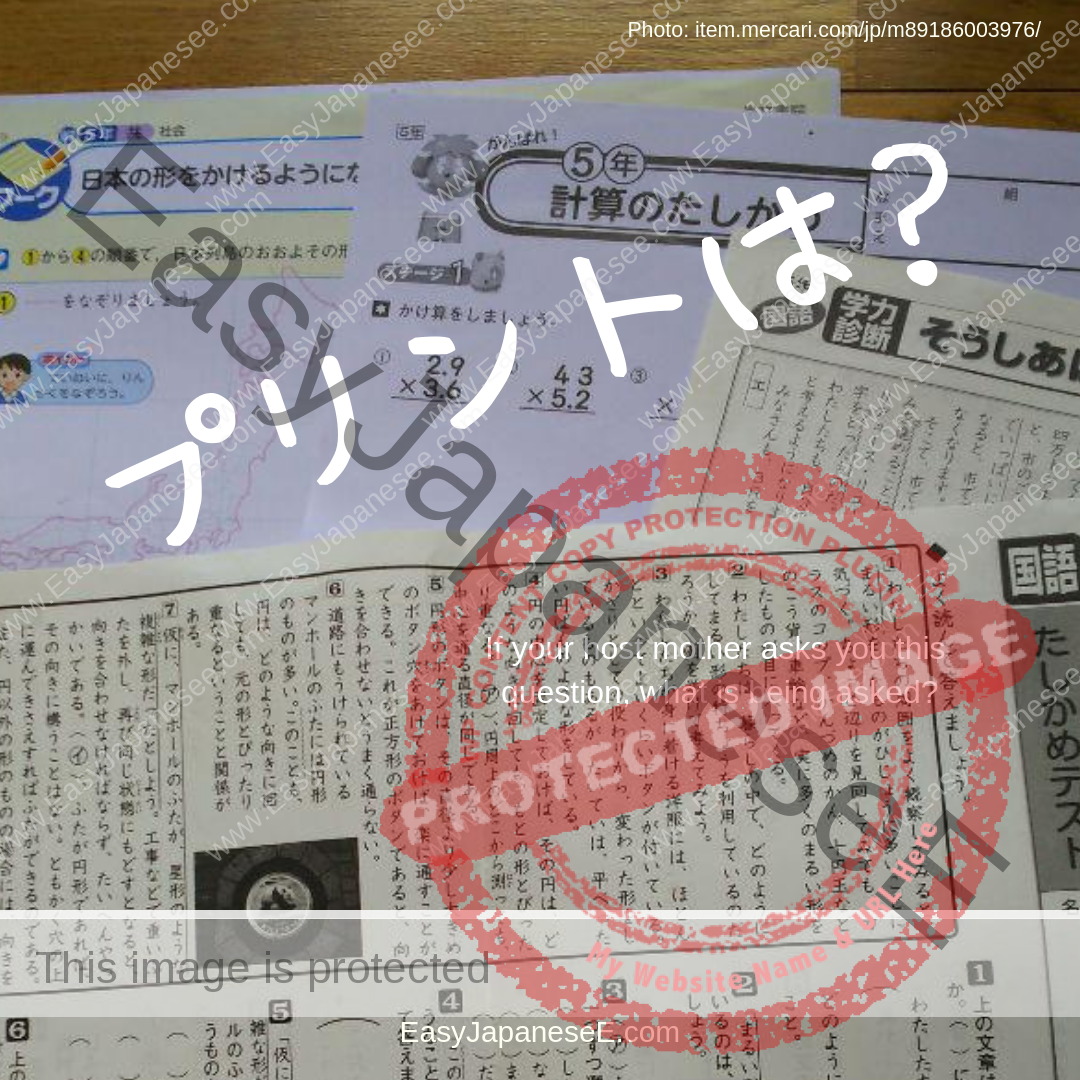
When I was teaching English in Japan, I always used プリント in my class. Making プリント was an important part…
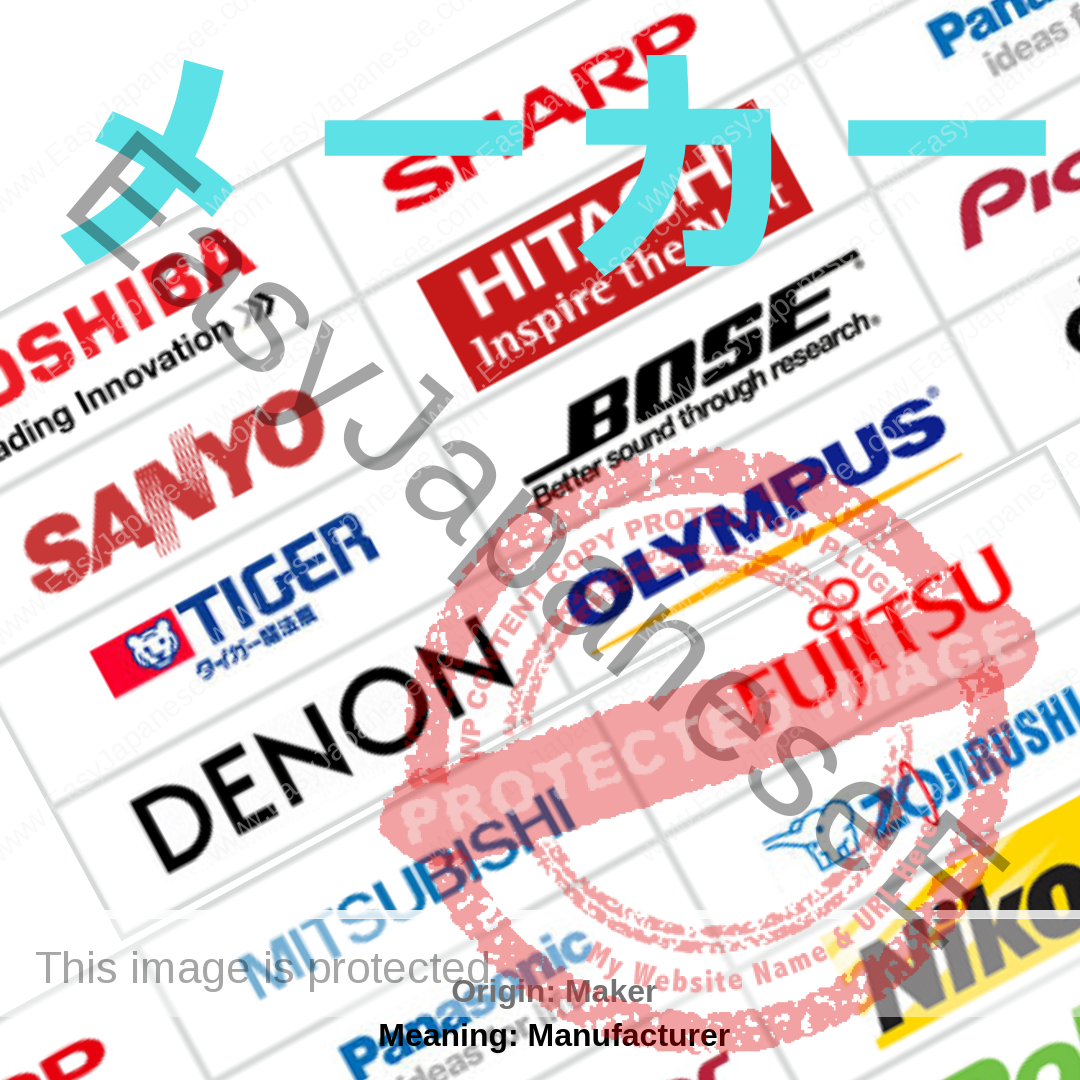
メーカー is the transliteration of the English word “maker” but the meaning is slightly different. メーカー in Japanese usually…
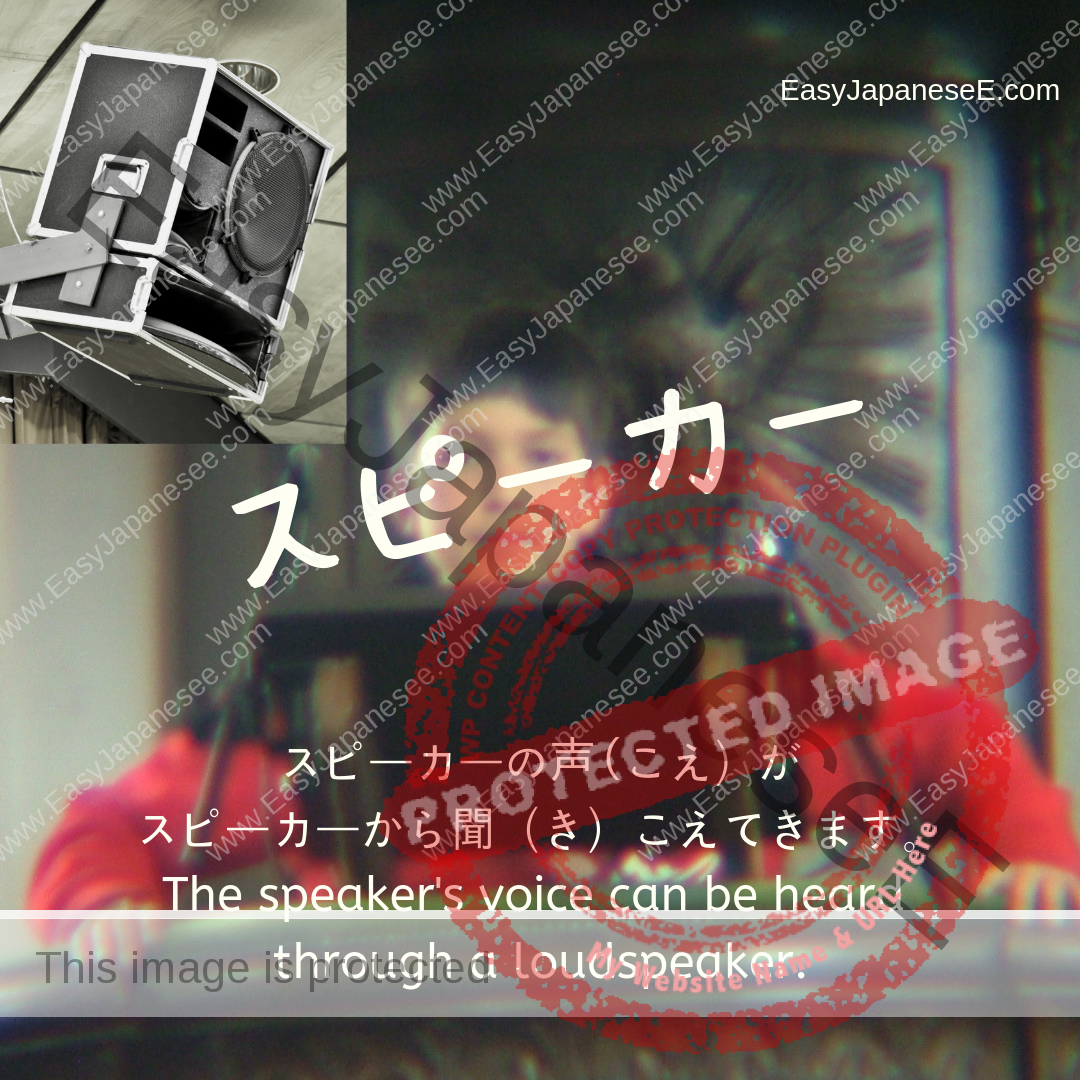
スピーカー is a Katakana transliteration of the English word “speaker.” スピーカー in Japanese can sometimes mean a person who is…